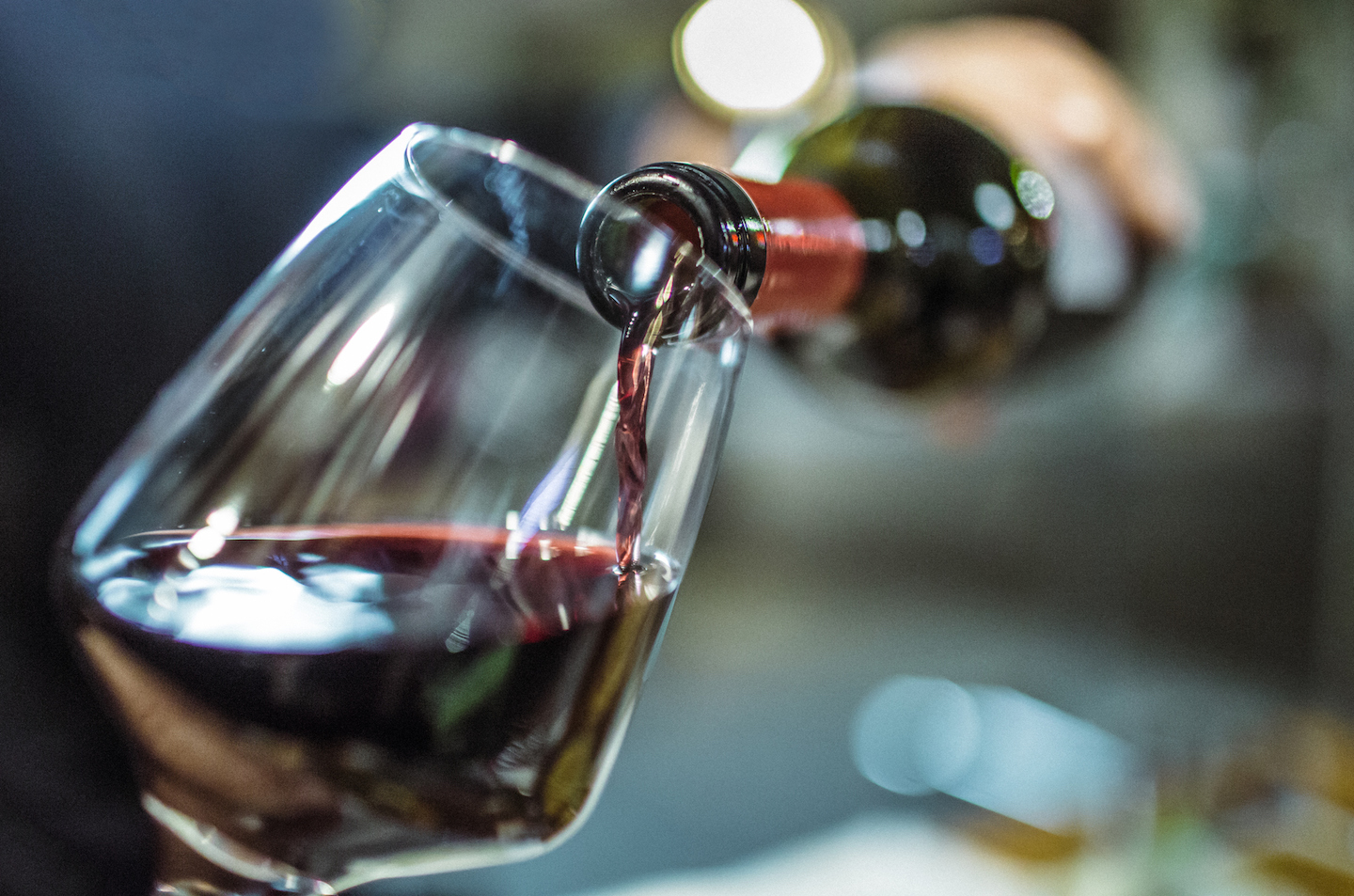
How to navigate the natural wine trend
For years, there’s been an emphasis on the backstory of the foods we eat: Where did it come from? How was it harvested? Were pesticides or other chemicals involved? That’s been true for everything from carrots to chicken, and especially true with the trend of eating #local.
Wine drinking has sort of stayed out of that conversation until the dawn of the natural wine movement in recent years. Just as the seriousness of climate change has gotten farmers to reconsider how they grow their crops and keep their soil healthy, vineyards are having to consider those same implications.
And more and more wine markets and grocery stores are carrying natural wines. You can find some varieties locally at places like 3Tails Wine & Cheese.
|
|
Natural wines are mostly made from organic grapes that haven’t been hit with pesticides or other chemicals. The grapes are often harvested from what are considered “biodynamic vineyards,” for their adherence to natural methods of cultivating a fertile soil. And when it comes to bottling the wine, producers typically avoid the tricks that more conventional winemakers would employ, such as adding sugar or acid to counterbalance not-ripe-enough or too-ripe grapes.
Taste-wise, natural wine is going to have an earthy edge to it. Some have even referred to it—lovingly or not—as having a slight hint of “funky.”
A recent story from Bon Appetit spells out that while the natural wine movement is all about protecting the environment, it’s still complicated by the distribution side of wine. Namely, it’s still being shipped across the country and the world by non-environmentally friendly means.
“There’s no magic wand we can wave to get goods from one place to another without sitting in a ship or a truck,” Amy Atwood, a natural wine importer in L.A., tells Bon Appetit. “But I don’t think that diminishes the fact that these wines come from organic and biodynamic farms. That’s still a win for planet Earth.”
Keep in mind, too, that while natural wine is all the rage now, many European countries have been harvesting their grapes this way for decades—they just didn’t have a trendy, marketable name for it then.
And now that natural wines are becoming easier to find in the Baton Rouge market, expect to see more grocers and wine and beer stores stocking their shelves with the funky stuff.
Heck, we’re already seeing the soil-friendly movement cropping up in beer ads, too. You saw that Michelob Ultra Super Bowl commercial, right?
|
|
|